
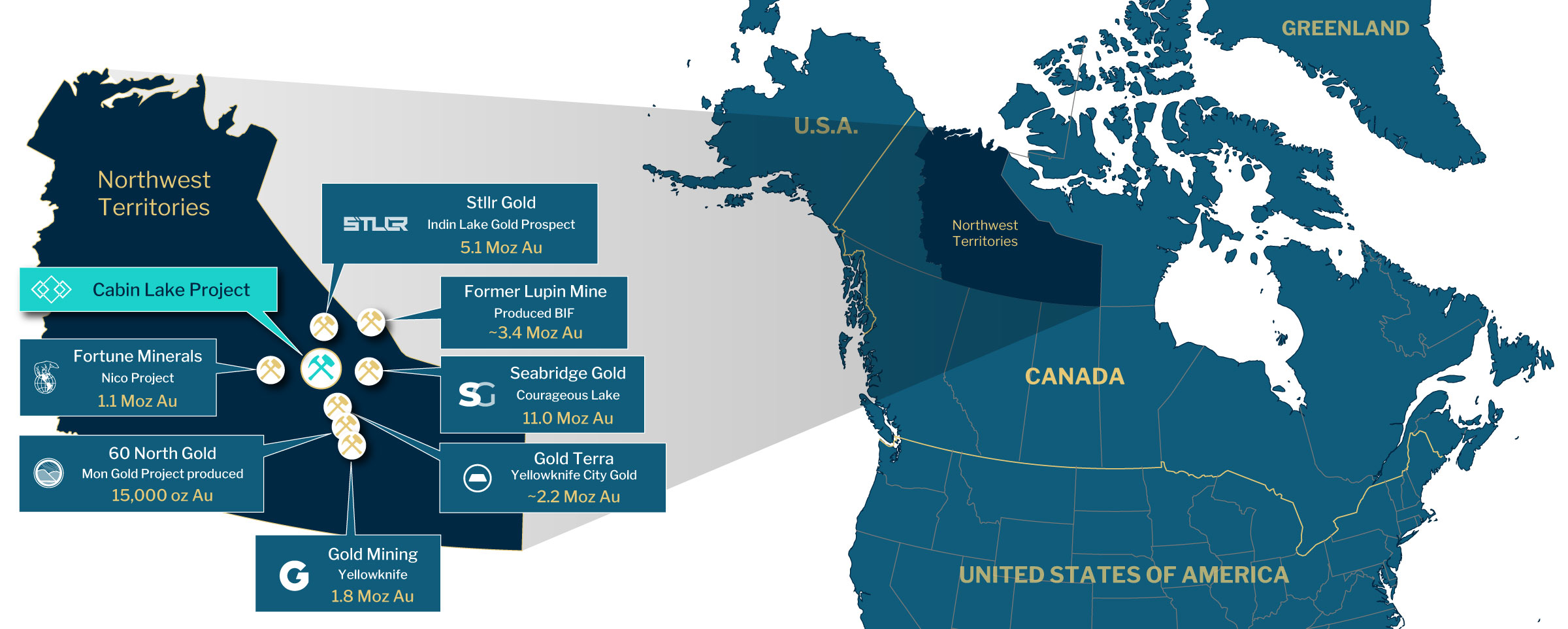
Cabin Lake Gold Project, Canada
The Cabin Lake Gold Project is located in the Northwest Territories of Canada (Figure 1), within the Archean Slave Craton, one of North America’s most prolific greenstone belts. The region has produced more than 14 million ounces of high-grade gold and hosts a further 10 million ounces being explored or developed.
The Project comprises the Bugow Iron Formation, a highly prospective and well-characterised Archean banded iron formation (BIF) unit that is similar to the sequence that hosts the Lupin Gold Mine (3.3 Moz Au).
High-grade Near-surface Intercepts
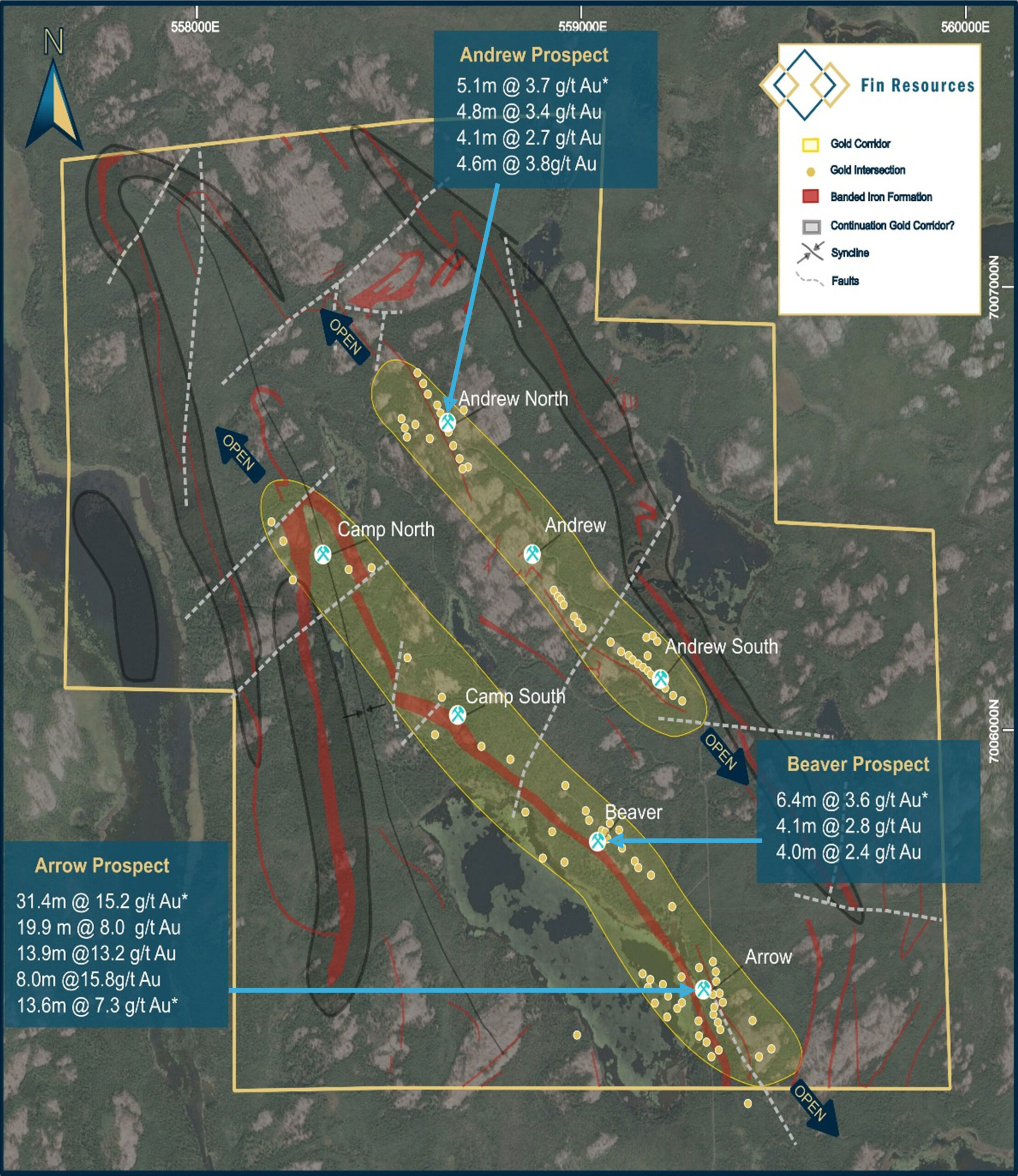
- High-grade near-surface intercepts define broad zones of mineralisation highlighting priority open-pit exploration targets, particularly the Arrow Zone:
- 31.4 m @ 15.2 g/t Au from 17.5 m (477 g*m Au) – CL-20-08
- 13.9 m @ 13.21 g/t Au from 27.92 m (184 g*m Au) – 86-28
- 19.9 m @ 8.02 g/t Au from 24.6m (159 g*m Au) – CL-20-01
- 8.0 m @ 15.7 g/t Au from 22.16 m (126 g*m Au) – 86-12
- 14.7 m @ 8.31 g/t Au from 34.87 m (122 g*m Au) – 86-10
- 13.7m @ 7.0 g/t Au from 41.2m (95 g*m Au) – CL-20-03
The mineralisation is open both at depth and along strike, and previous drilling has likely only “scratched the surface.”
Figure 1: Cabin Lake Gold Project Location, Canada
What’s Known Geologically & Historically at Cabin Lake?
- Cabin Lake is a gold-exploration project in Canada’s Northwest Territories, within the Archean Slave Craton — a globally recognised, gold-rich greenstone belt that has historically produced more than 14 million ounces of gold.
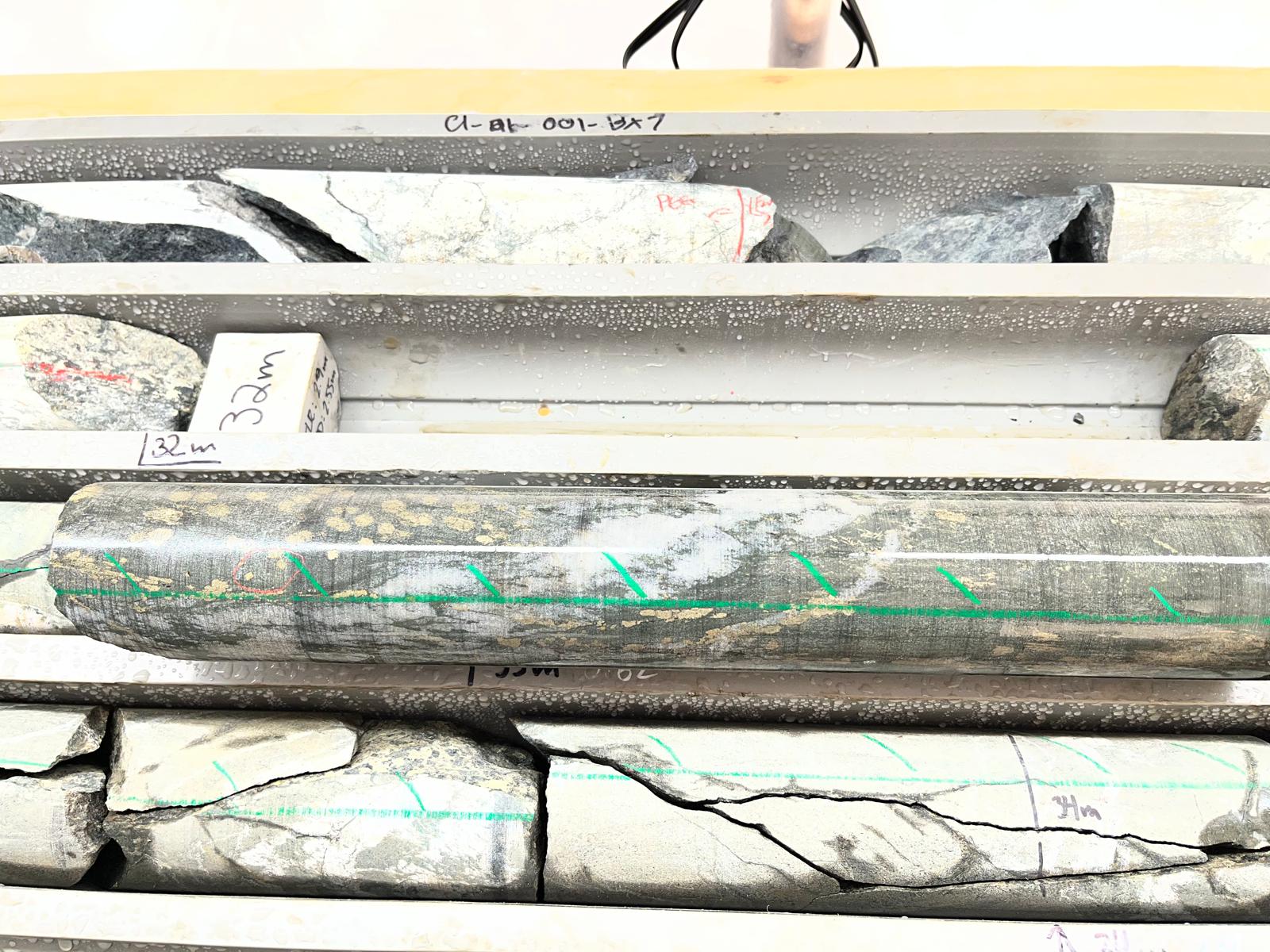
- The gold mineralisation at Cabin Lake is hosted in sulphide-rich lenses (pyrite + pyrrhotite ± arsenopyrite) within a folded Banded Iron Formation (the Bugow Iron Formation).
- The Project is “fully permitted, drill-ready,” meaning FIN can mobilise exploration quickly under existing regulatory and First Nations access agreements.
- Historic and recent drill programs — including diamond drilling as recently as 2020–2022 — have focussed on the upper portion of the system (mostly upper ~100 m, with some intercepts down to ~130 m).
- The Project comprises multiple prospects/zones, including the Arrow Zone (the most advanced), as well as the Beaver Zone and Andrew Zone.
Figure 2: Priority drill prospects over IP chargeability anomalies and historical drilling results
What’s Planned for Cabin Lake?
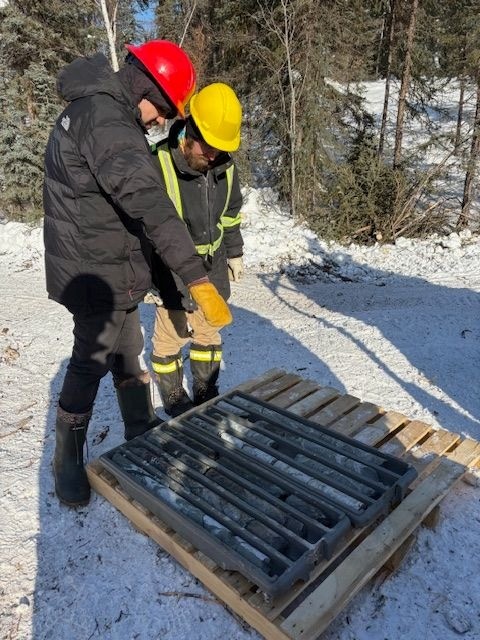
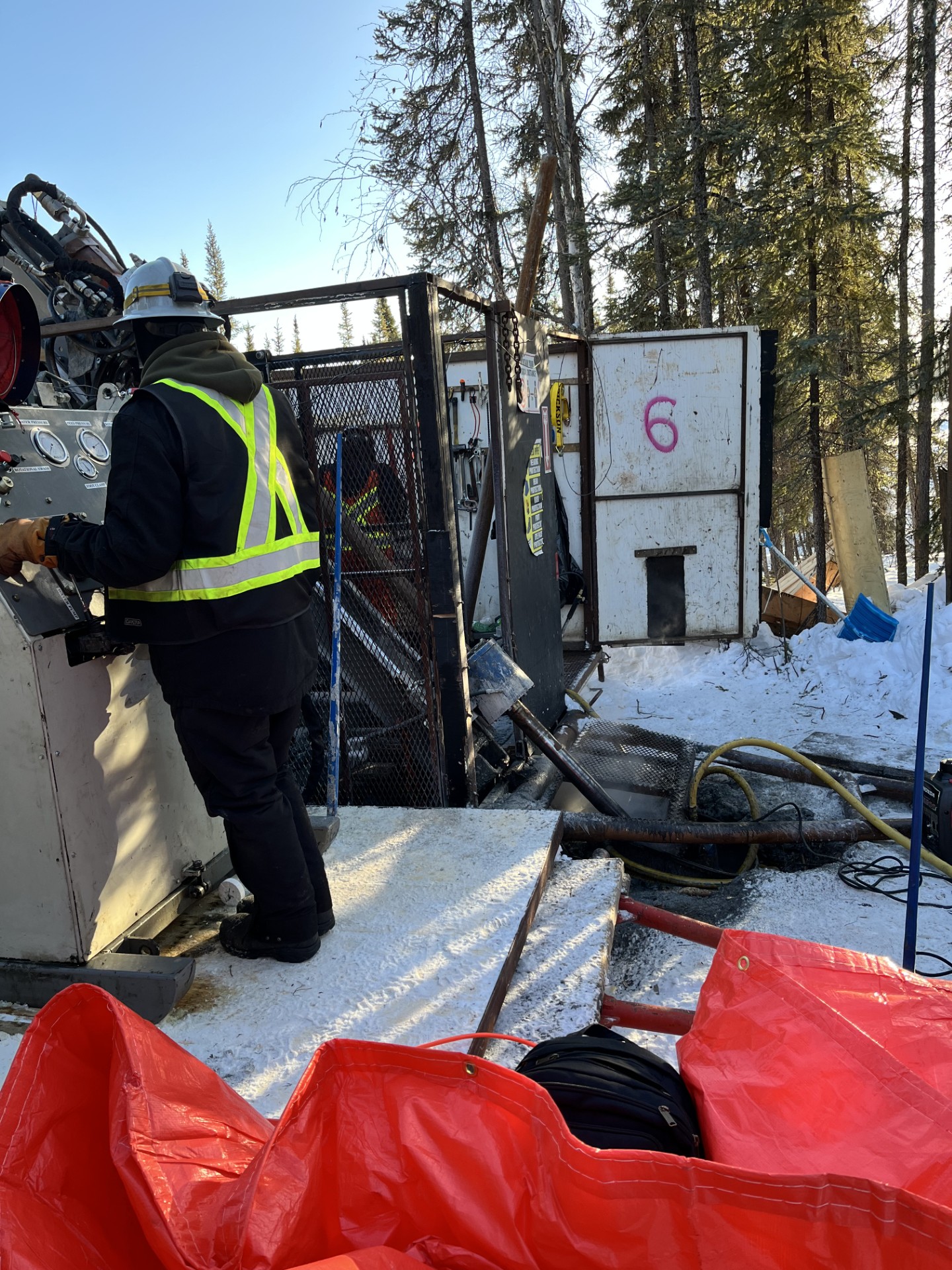
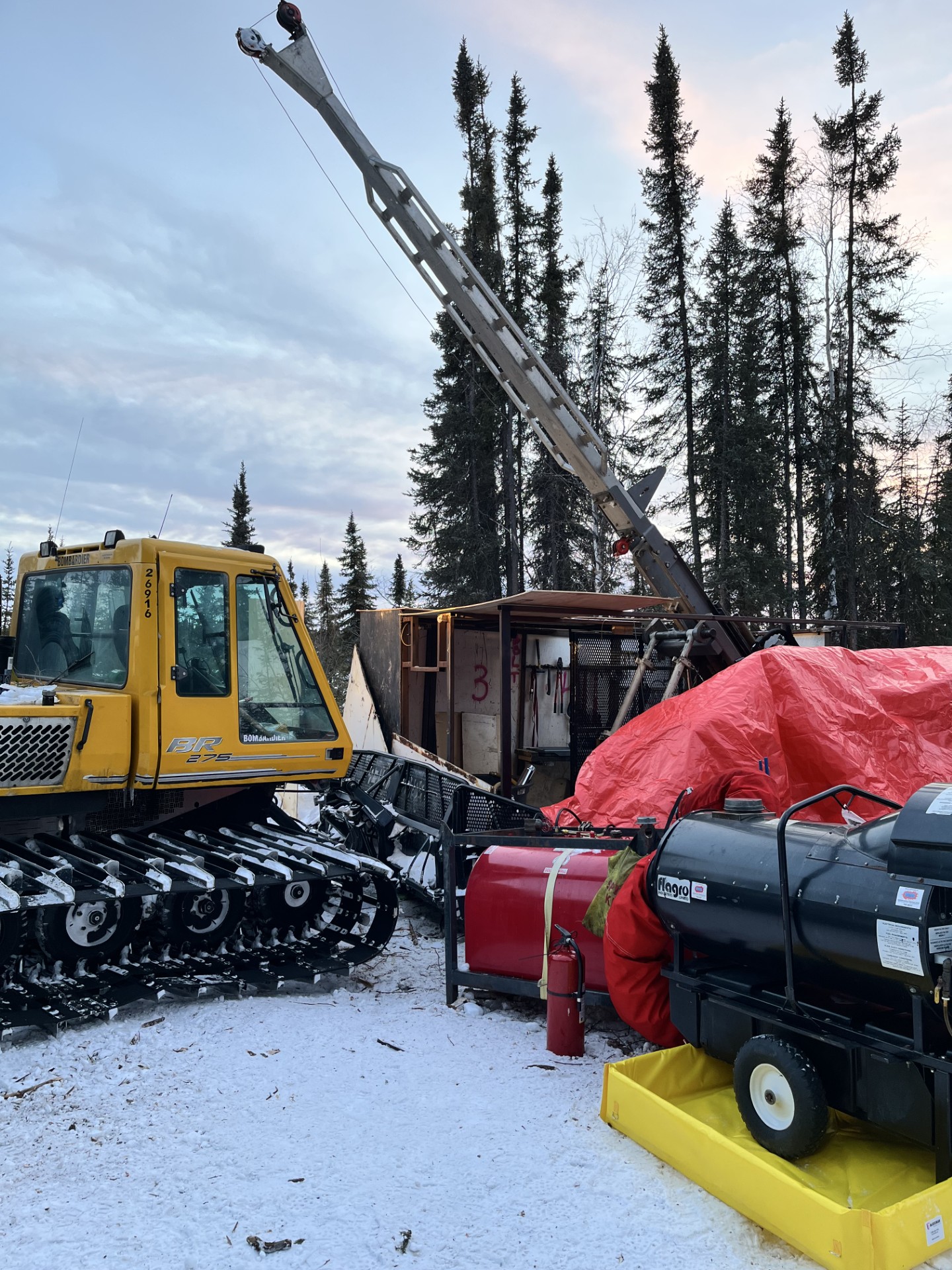
- Fin Resources Limited is undertaking a 1,500-metre diamond drilling program at the Cabin Lake Project — likely testing both known zones and new targets.
- The initial work program will target eight high-priority drill sites across ~15 km of mapped BIF outcrop.
- Early focus will be on the Arrow Zone to confirm and expand known high-grade mineralisation, and on untested IP/geophysical anomalies identified in prior surveys.
- If results are positive, Fin Resources will work toward defining a JORC-compliant Mineral Resource.
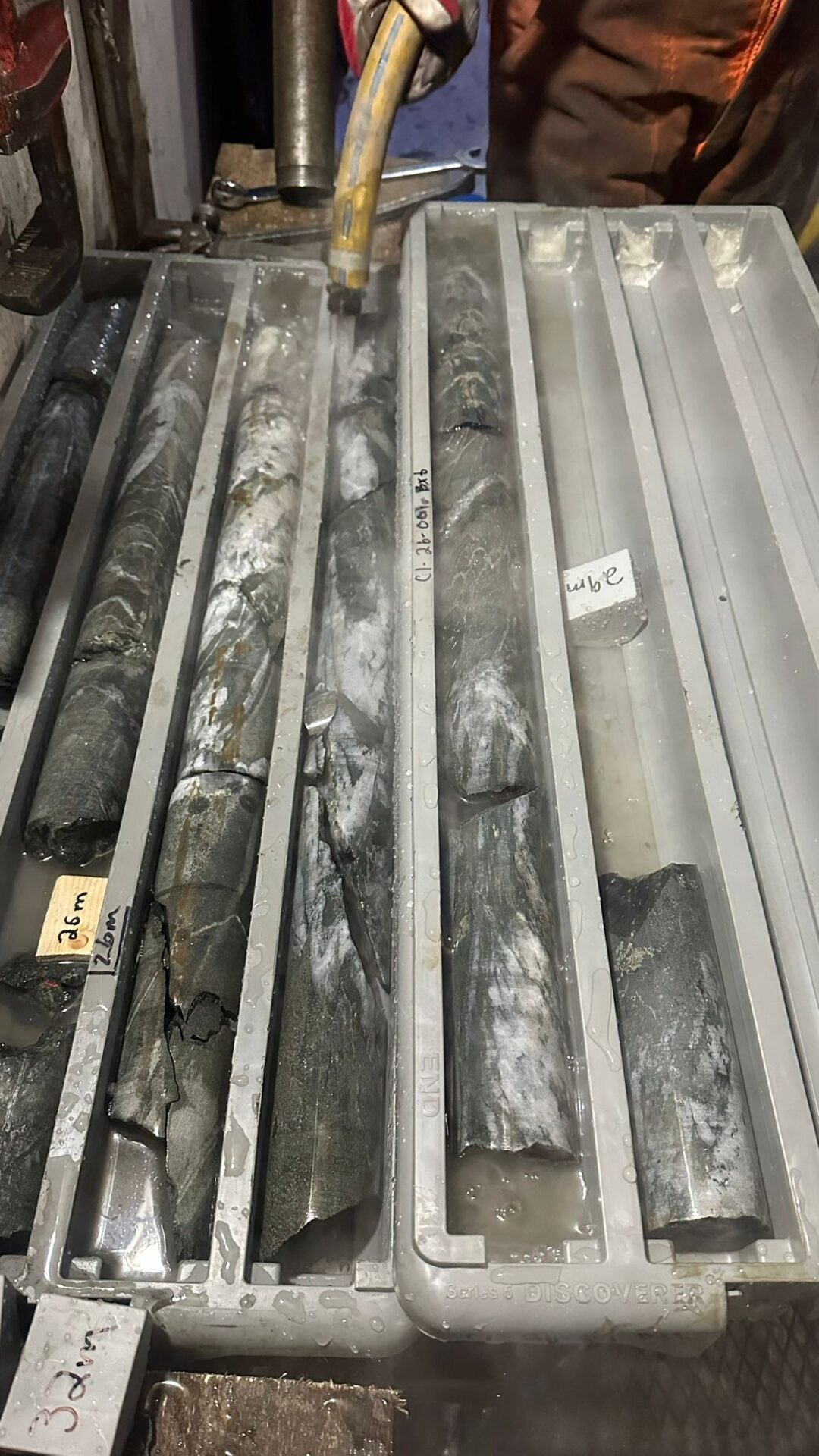
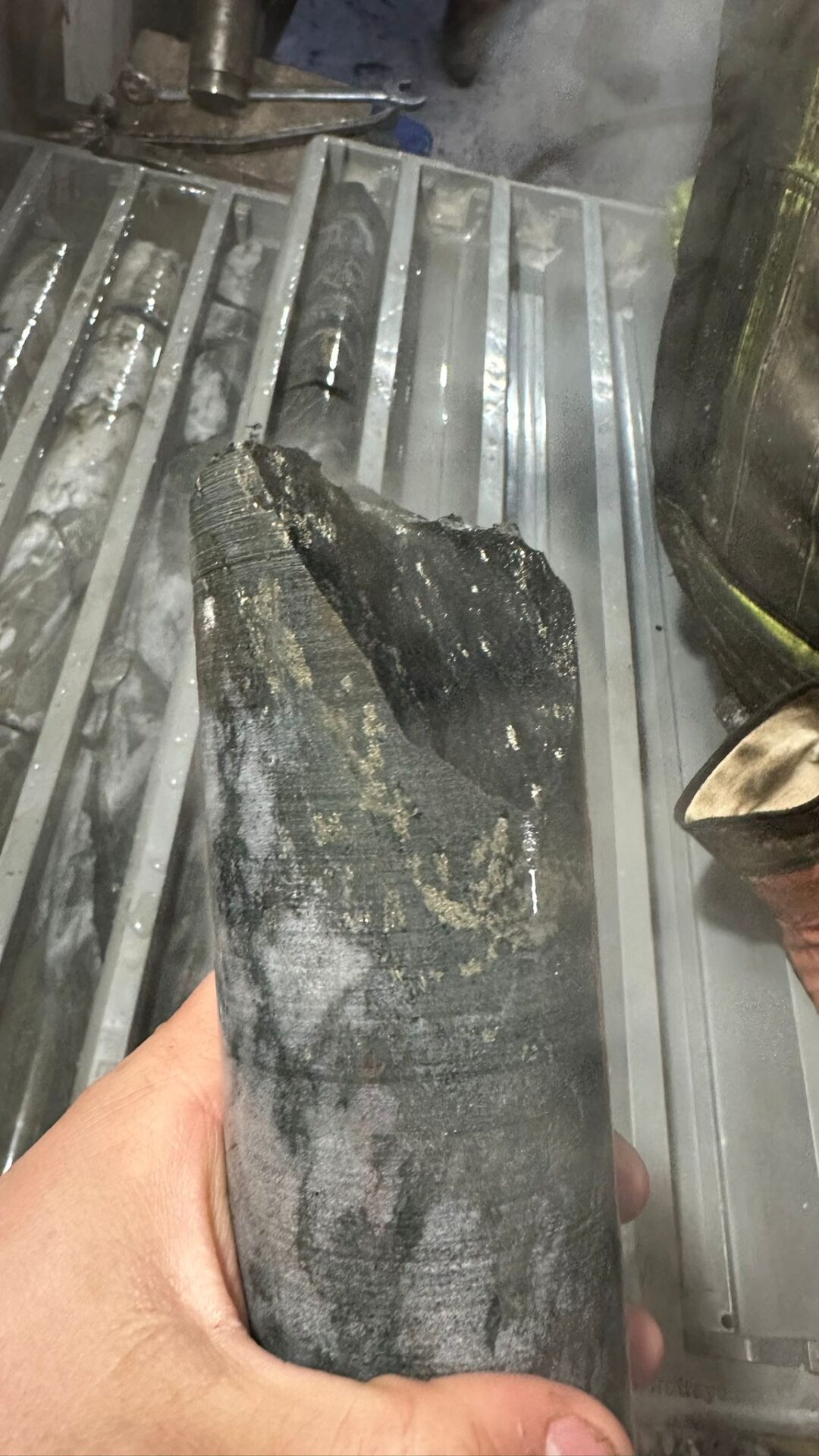
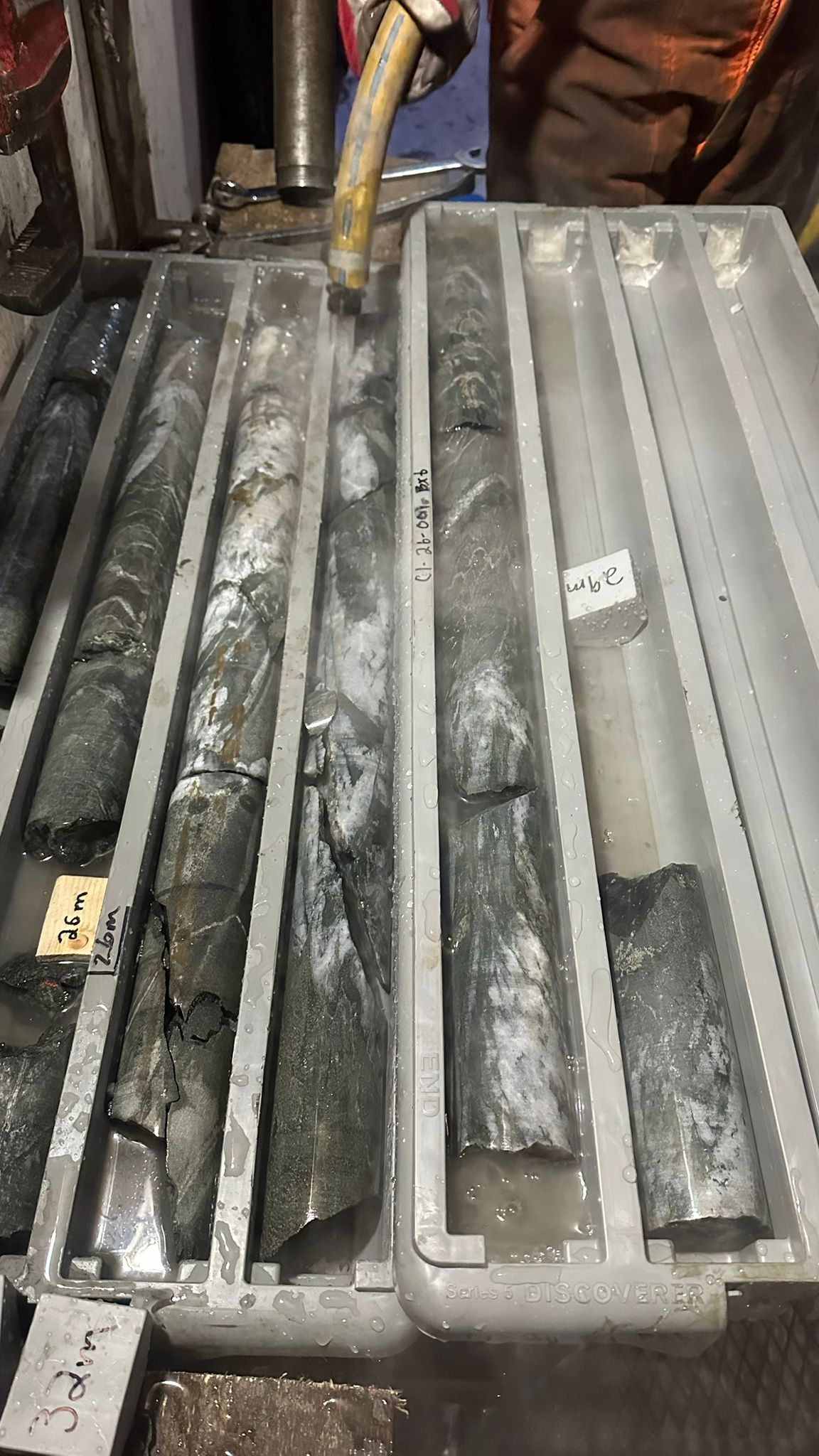
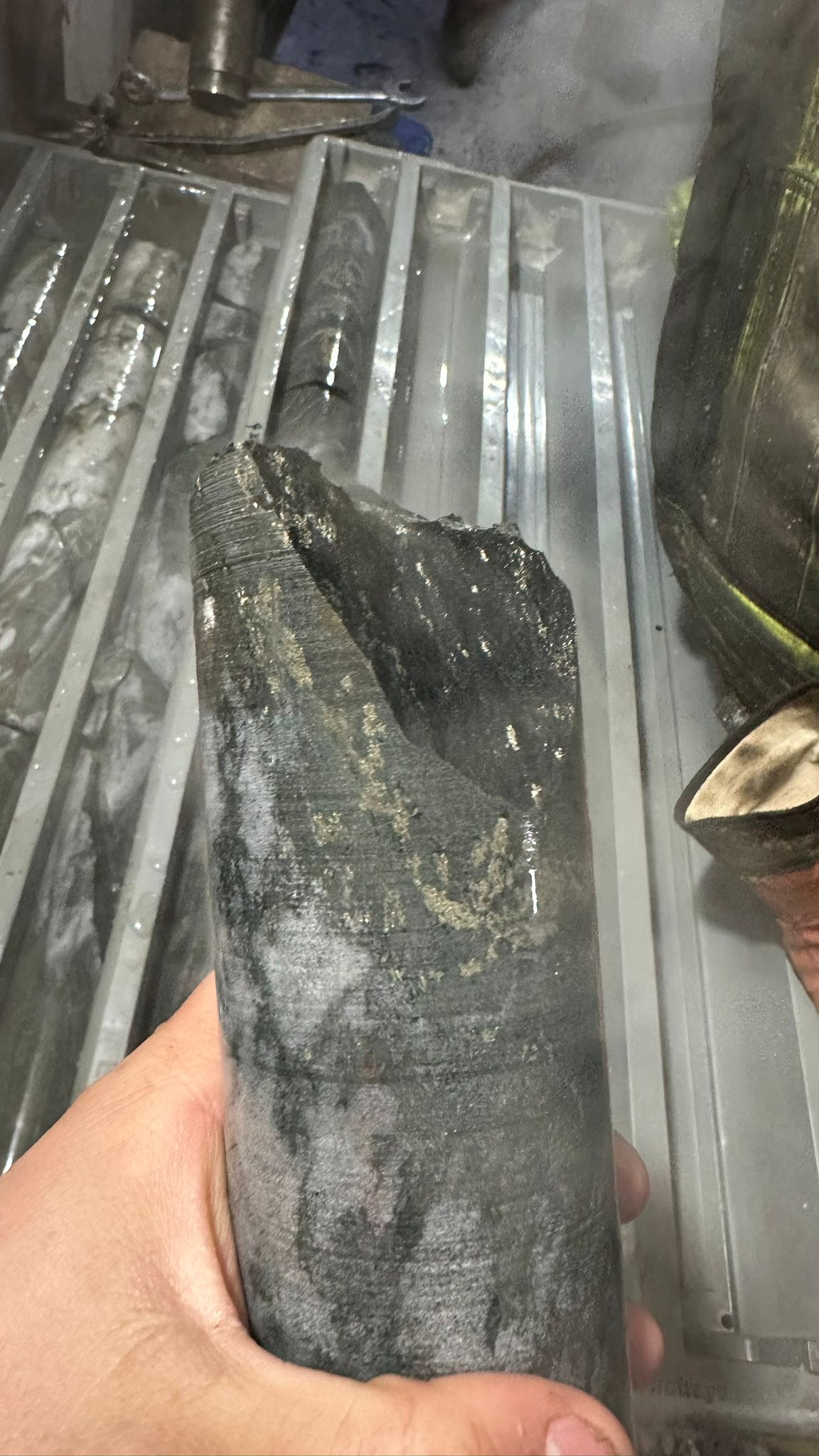
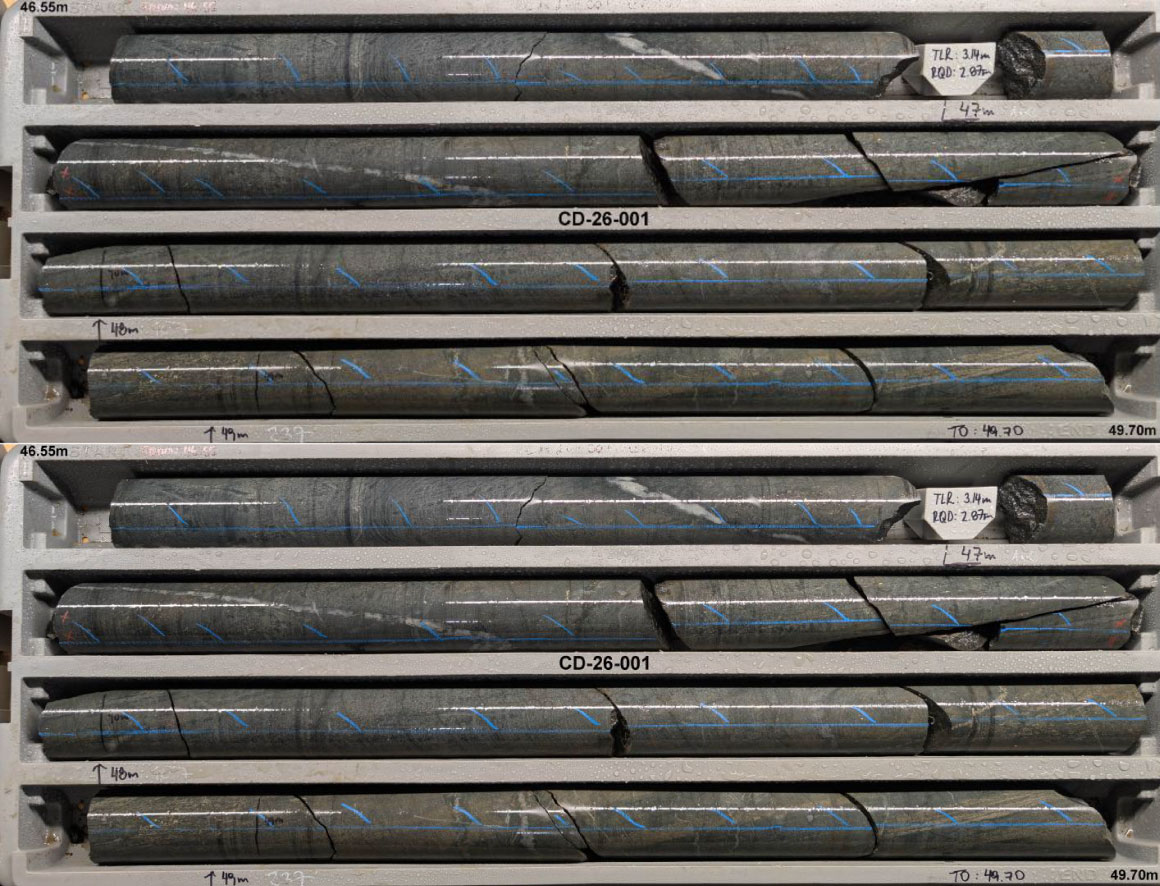
Figure 3: Diamond Drill Core from CL-26-001 (BIF with sulphide mineralisation)
Drill core from CL-26-001 (46.55m to 49.70m) showing iron formation with sulphide mineralisation1 (interpreted from visual logging as predominantly pyrite, and lesser pyrrhotite)
1 Cautionary Note: The Company cautions that the visual observations of sulphide mineralisation reported in this announcement are preliminary in nature and should not be considered a substitute for laboratory assays. No quantitative estimates of gold grade can be made from visual logging alone. Laboratory assay results are required to determine the presence and grade of gold mineralisation.
Photo Gallery